
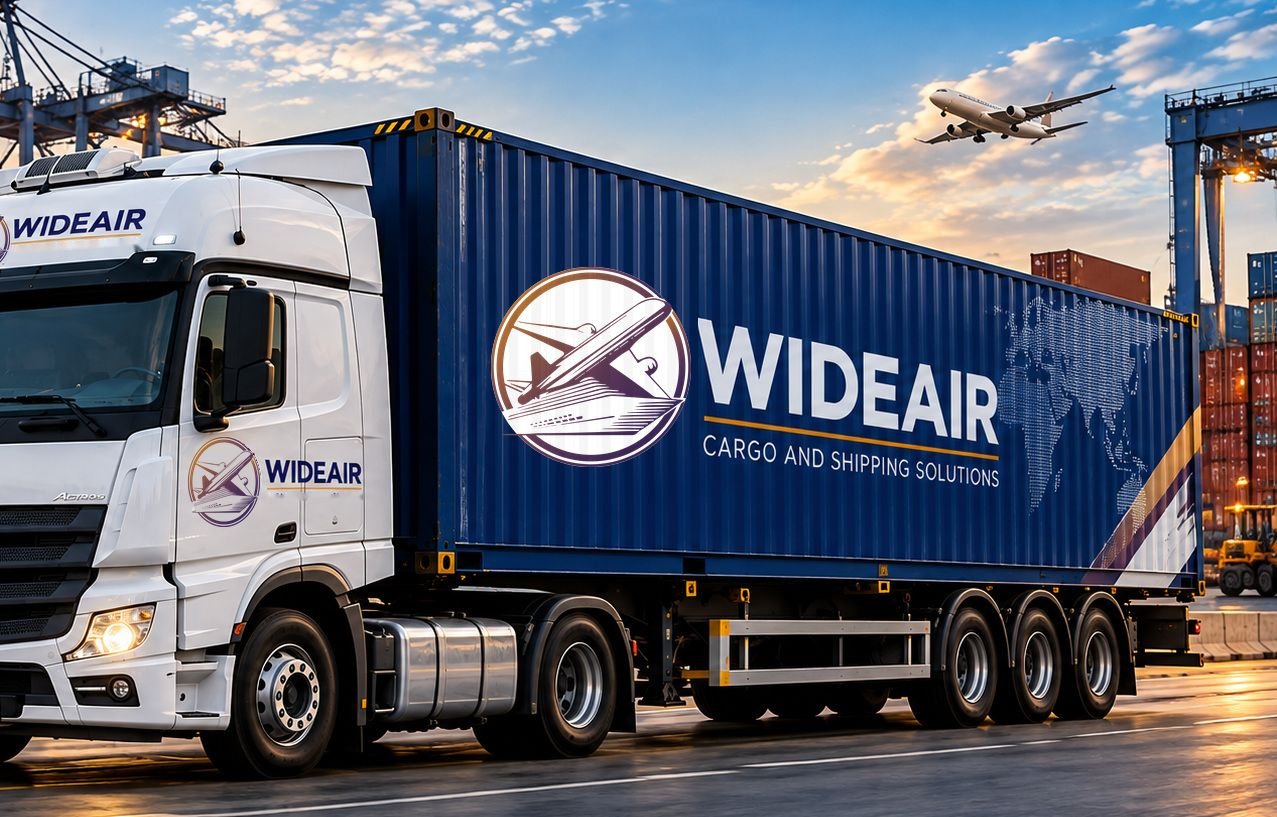
What multimodal means in practice
A multimodal shipment uses more than one mode of transport under a single plan. Examples include a truck from a factory to a port, an ocean voyage, then rail or road to an inland consignee; or air freight to a hub followed by road delivery.
Wideair is registered as a Multimodal Transport Operator (MTO), and coordinates the full journey, including pickup, intermediate handling, documentation and final delivery. Where a corridor requires several carriers, we manage the interfaces between them.
What we coordinate
- Domestic road haulage in India: pickup, feeder movements to ports, ICDs and airports, and final-mile delivery
- International road and rail legs where the corridor, customs regime and carrier availability allow
- Sea + road and sea + rail combinations, including inland destinations beyond the port
- Routings into landlocked markets such as Central Asia
- Transit documentation and customs coordination across the route
Choosing the right combination
Sea + road or rail
The usual choice for volume cargo to inland destinations. Costs are lower than air, with longer and less fixed transit times.
Air + road
A fast international leg followed by road delivery from the arrival airport. Useful when the consignee is not near a major airport.
Road only
For domestic pickup, feeder and delivery legs, and international road corridors where they are available and compliant.
Rail
An option on some corridors where rail capacity and customs transit arrangements exist. Availability changes by lane.
How a multimodal shipment is planned
- Map the corridorOrigin, destination, gateways, border points and constraints.
- Compare optionsMode combinations, indicative timings and cost trade-offs.
- Align documentsOne set of data across every carrier and customs point.
- Run and monitorHandovers coordinated and milestones followed up.
Good to know
Frequently asked questions
What does MTO registration mean?
A Multimodal Transport Operator takes responsibility for carrying goods under a single multimodal transport document, using more than one mode. Wideair’s MTO registration is shown on our credentials section.
Can you move cargo to landlocked countries?
Yes, by combining a sea or air leg with road or rail beyond the gateway. Routings depend on the destination. See our India to Central Asia page.
Do you provide a single quotation for the whole journey?
We aim to quote the movement as a whole, with each leg and the assumptions behind it clearly shown, so that you can compare options on a like-for-like basis.