
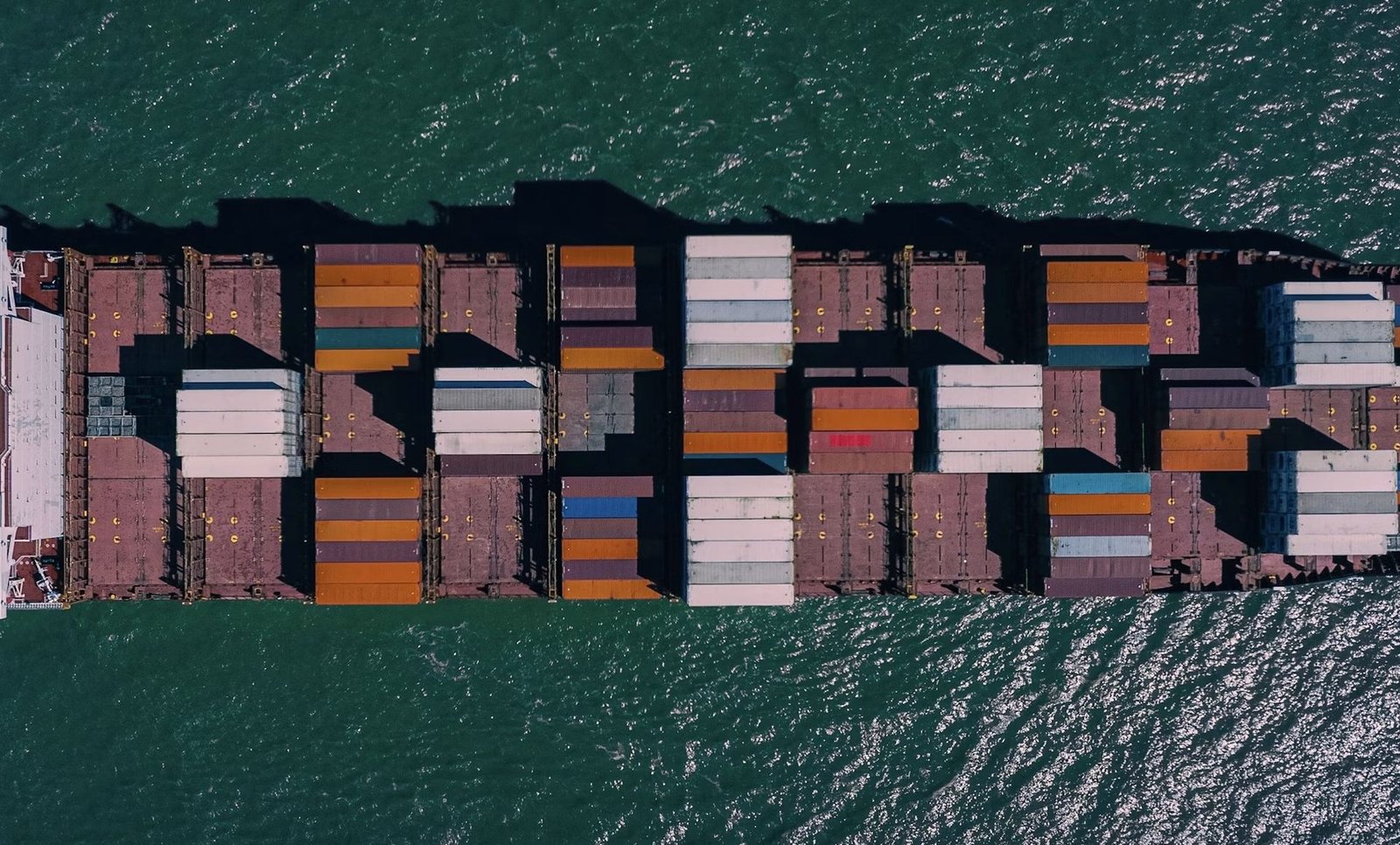
FCL, LCL and when each makes sense
FCL (full container load) gives your cargo a container to itself. It usually suits larger volumes, valuable cargo, or goods that should not be mixed with other shipments. LCL (less than container load) consolidates your cargo with other shippers’ goods, so you pay for the space you use. It suits smaller, regular consignments, although cargo is handled at consolidation points at both ends.
We compare the options against cargo volume, destination, transit requirement and budget, and tell you plainly when one is better than the other.
What we coordinate
- FCL, LCL and shipper-owned container (SOC) movements
- Breakbulk and RO-RO coordination for non-containerised cargo
- Pickup from your premises and delivery to an inland container depot (ICD) or port, anywhere in India
- Booking, shipping instructions, bill of lading coordination and VGM (verified gross mass) documentation
- Destination port handling, customs coordination and onward delivery
- Combination with road, rail or warehousing for a complete multimodal movement
Documents that usually matter
| Document | Purpose |
|---|---|
| Commercial invoice and packing list | Declares value, contents and quantities for customs and the carrier |
| Shipping instructions / bill of lading | Instructs the carrier and acts as the contract of carriage and, in many cases, a document of title |
| VGM declaration | Verified container weight, required before loading under international safety rules |
| Export and import customs documents | Depend on commodity, origin and destination regime |
Choosing the right container
The table below shows common equipment and indicative internal volumes. Dimensions and payload vary by carrier and container type, so treat them as a planning guide. A full container size guide is available in our resources section.
| Container | Internal size (L × W × H) | Capacity | Payload |
|---|---|---|---|
| 20ft general purpose (20' GP) | ≈ 5.9 × 2.35 × 2.39 m | ≈ 33 CBM | ≈ 28,000 kg |
| 40ft general purpose (40' GP) | ≈ 12.0 × 2.35 × 2.39 m | ≈ 67 CBM | ≈ 26,500 kg |
| 40ft high cube (40' HC) | ≈ 12.0 × 2.35 × 2.69 m | ≈ 76 CBM | ≈ 26,500 kg |
Indicative figures for planning only. Dimensions and payload vary by container builder, carrier and country road limits. We confirm exact equipment at booking.
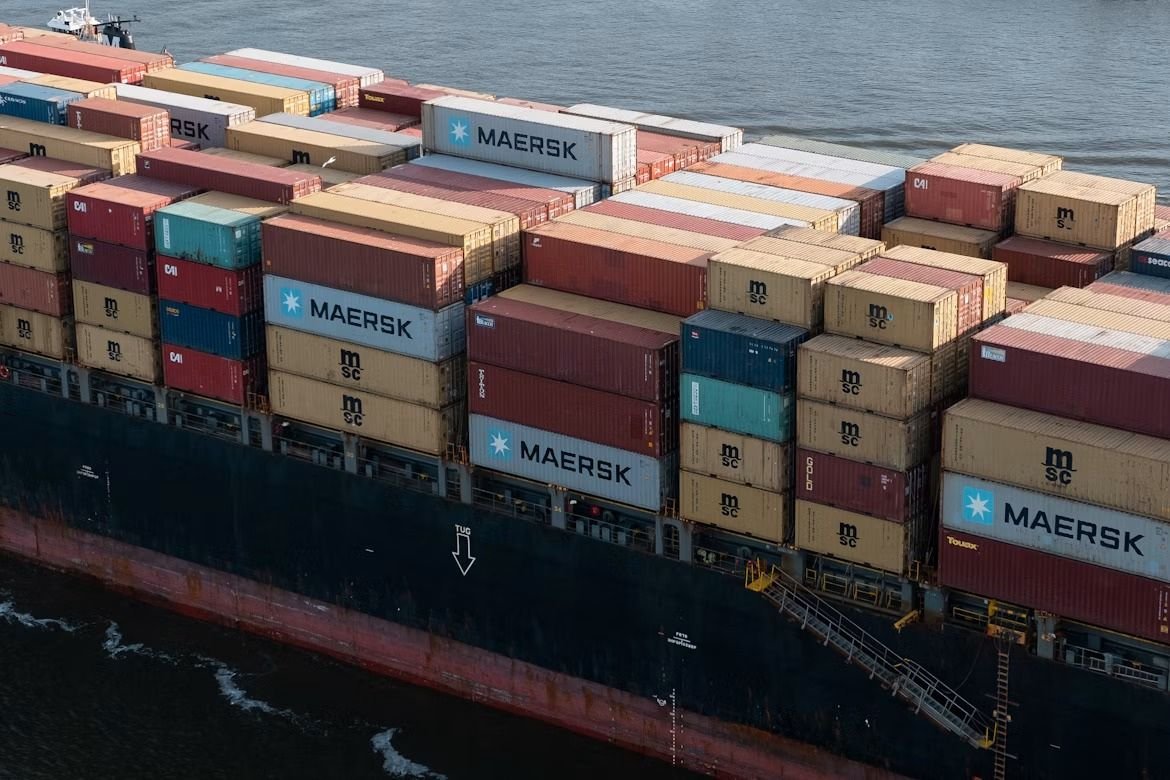
How an ocean shipment moves
- ReviewCargo, volume, route, documents and delivery terms.
- PlanService, sailing options, cut-offs and pickup.
- ExecuteBooking, stuffing, customs and loading.
- DeliverDischarge, destination clearance and delivery.
Good to know
Frequently asked questions
Is LCL always cheaper than FCL?
Not always. LCL is priced per cubic metre or tonne and adds consolidation and deconsolidation handling at both ends. Beyond a certain volume, a full container often becomes more economical and faster to clear. We compare both for your cargo.
What is the difference between a 40ft GP and a 40ft high cube?
Both are about 12 metres long. A high cube is roughly 30 cm taller inside, giving about 76 CBM of internal volume against about 67 CBM for a standard 40ft general-purpose container.
Can you move cargo that does not fit in a container?
Yes. Oversized, heavy or non-containerised cargo can be handled as breakbulk, flat-rack or RO-RO movements, depending on the cargo and route. See our project cargo page.
Do you provide door delivery after the port?
Yes. Customs, warehousing and final delivery can be added so the movement is planned beyond the port. See door-to-door shipping.